
Camping Safety Tips: How to Stay Safe on Your Next Trip

Camping can be a lot of fun, but staying safe while you’re out in the great outdoors is essential. There are many things to consider when planning a camping trip, from what gear to pack to where you’ll set up camp. In this blog post, we’ll discuss some practical ways to stay safe while camping, from dealing with dangerous wildlife to avoiding potential accidents. Follow these tips and have a safe and enjoyable camping trip. Also, The ChambersRV documents experiences with RV travel for inspiration on your next road trip.
Be Aware of Your Surroundings

The first and most important safety tip for camping is to be aware of your surroundings. Make sure you know the area that you’re in; look for signs of dangerous wildlife or hazardous terrain, and plan accordingly. Be especially vigilant when traveling away from your campsite; take a map and compass with you if you become lost, and tell someone where you’re going before you leave.
Wear Appropriate Clothing
Wearing the right clothing for your camping trip is also vital for safety. Make sure to dress in layers so that as temperatures change during the day, you can add or remove clothing accordingly. Wearing bright colors can help make you more visible in the wilderness. Sturdy boots can also protect the environment, insects, and other wildlife.
Use a Fire Safely
If your camping trip involves building a fire, take appropriate safety measures. Select an area away from other campers and ensure it’s clear of combustible materials. Keep the fire small, and don’t leave it unattended. When you’re finished with the fire, let it burn out completely before leaving the campsite. In addition, be sure to bring a shovel and bucket of water with you in case you need to put out the fire quickly.
Be Aware of Wildlife
 When camping outdoors, it’s essential to keep an eye out for wildlife. Be sure to store all food and garbage properly; wild animals may be attracted to these smells and come looking for a snack. If you encounter dangerous wildlife, stay calm and back away slowly. Do not attempt to approach or touch wild animals. In conclusion, camping can be a fun and rewarding experience, but it’s essential to take safety precautions to stay safe. Be sure to pay attention to your surroundings, wear the appropriate clothing, use fire safely and be aware of wildlife. Following these tips will ensure an enjoyable and safe camping trip. Happy trails.…

 One of the first things you need to consider when planning a SUP trip is what kind of stand-up paddleboard you will need for the specific water type. An all-around board is an excellent option if you’re planning to paddle in a lake, river, or calm ocean water. It’s versatile and can be used for different types of paddling. But if you’re planning to paddle in choppy waters or downriver, you’ll want to get a specific board for those conditions, like a touring or racing board.
 And that’s why we need to pack light and wisely. Because you’ll be carrying all your gear with you on the paddleboard, you’ll want to make sure that you pack light and only bring the essentials. For example, you might want to bring a lightweight tent, a sleeping bag, and some dehydrated food. And of course, don’t forget to pack your sunscreen and insect repellent. Packing for an overnight SUP trip doesn’t have to be difficult. Just remember to bring the essentials, and you’ll be all set for an epic adventure.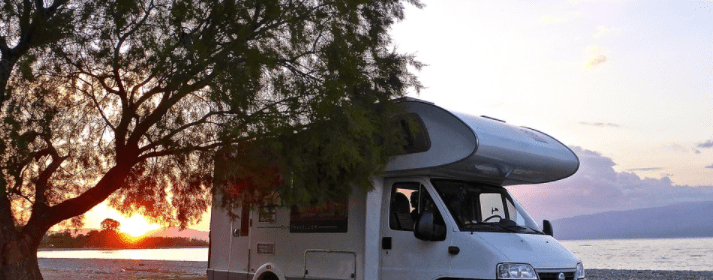
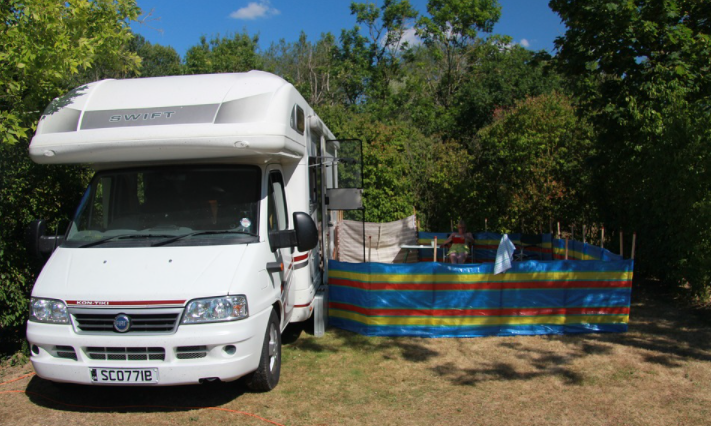
 RVs come in various configurations, so it’s very important to choose a vehicle with a floor plan that you feel comfortable in without feeling claustrophobic. Here are a few items that may allow you to achieve this goal. The first is furniture that is not cramped, large The next would be placed efficient kitchens, well-designed storage spaces, curtains, rather than blinds with valances and sliding rooms.
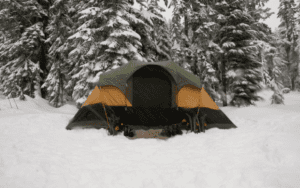 A sleeping pad provides anglers with essential comfort and protection against the heat-absorbing capacity of the ground. The ground extracts an incredible amount of heat from the entire body, so insulation under the sleeping bag is vital in the winter. Additionally, when the sleeping bag stays with the insulation material, the back is compressed underneath the client’s entire body. So, the client’s spine is straightened by the sleeping bag’s insulating substance.
 A double-walled tent contains only two layers, usually a tightly knit or sturdy interior and a waterproof outer tent, which can help keep occupants warmer than single-walled outlets. To reduce the likelihood of condensation forming and occupants getting wet, ensure the tent has a vent or leave part of the outer tent sheet out to ventilate the tent. It will warm the sleeping bag faster than a person’s body heat, and can also keep a child’s feet warm. It’s good advice not to let yourself get chilly before you go to bed.




 nd the Guide